Christmas Cartoon Black Woman with Glass Review
In the world of digital publishing, visual hierarchy is not just an aesthetic choice; it is a functional necessity. As a designer who has spent years optimizing content for readability, click-through rates, and brand trust, I approach every graphic design asset with a critical eye. The difference between a cluttered, amateur-looking page and a polished, authoritative editorial layout often comes down to the quality and appropriateness of the imagery used. Today, I am reviewing a specific illustration that has caught my attention for its potential in seasonal content campaigns: the Christmas Cartoon Black Woman with Glass.
This piece is not merely decorative clip art. It represents a strategic opportunity for bloggers, affiliate marketers, and digital publishers looking to inject warmth, inclusivity, and festive cheer into their content marketing efforts without sacrificing professional standards. Below, I break down how this asset fits into a real-world publishing workflow, from newsletter headers to downloadable lead magnets.
First Impressions and Editorial Mood
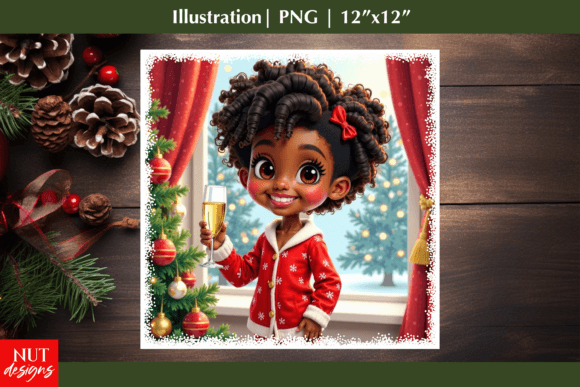
When you first load this illustration into your design software, the immediate takeaway is its balanced composition. The character is depicted in a cartoon style that feels modern yet approachable, avoiding the overly childish look that can undermine credibility in serious niches like finance or health. Instead, it strikes a chord that is lifestyle-focused, playful, and distinctly feminine. This makes it exceptionally versatile for brands that want to appear friendly and accessible while maintaining a clean, bold aesthetic.
The inclusion of the glass—likely containing a festive beverage—adds a layer of narrative. It suggests celebration, relaxation, and social connection. For a publisher, this visual cue helps set the tone before the reader even engages with the text. It creates an emotional bridge, signaling that the content associated with this image is meant to be enjoyed, whether that content is a holiday gift guide, a cozy recipe blog post, or a year-end reflection newsletter. In terms of editorial design, this asset supports a mood that is both artistic and contemporary, fitting seamlessly into layouts that prioritize brand identity through consistent, high-quality visuals.
Real-World Publishing Applications
The true value of any design assets package lies in its versatility. I have tested this illustration across several common publishing formats, and here is where it shines:
- Blog Featured Images: The illustration’s color palette and character focus make it an excellent candidate for hero images. It draws the eye immediately, increasing the likelihood of clicks from search results or social feeds.
- Pinterest Pins: Pinterest is a visual search engine. This graphic provides ample negative space (depending on the specific file variation) for overlaying text like "Holiday Hosting Tips" or "Festive Drink Recipes." Its vertical-friendly composition works well for pin dimensions.
- Newsletter Graphics: Email open rates are driven by subject lines and preview text, but the body content keeps readers engaged. Using this illustration as a header or divider in your Christmas-themed emails adds a touch of personality that generic stock photos often lack.
- Digital Guides and Lead Magnets: If you are creating a free PDF checklist, such as a "25 Days of Holiday Joy" calendar, this cover image elevates the perceived value of the digital product. It signals that the download is professionally curated.
- Social Media Posts: For Instagram or Facebook, this asset serves as a standalone visual that communicates the theme instantly. It is particularly effective for affiliate marketing posts promoting holiday decor, fashion, or beauty products.
Supporting Content Performance
Integrating this illustration into your site does more than just fill empty space. It actively supports performance metrics. A stronger first impression leads to lower bounce rates because readers feel welcomed by the visual environment. Clearer visual hierarchy ensures that the illustration complements your headlines rather than competing with them, guiding the reader’s eye naturally through the content. Furthermore, using inclusive and diverse imagery, such as this representation of a Black woman, builds deeper reader trust and resonates with a broader audience, which is crucial for modern small business branding.
Consistency is key to building a recognizable brand identity. By using this illustration alongside other cohesive design elements, you create a unified look across your website, Pinterest pin collections, and social media graphics. This professionalism encourages repeat visits and shares, as users associate your content with high-quality production values.
Where It Works Best vs. Where to Exercise Caution
While this asset is powerful, it is not a one-size-fits-all solution. Understanding its limitations is part of being an experienced publisher.
Ideal Use Cases:
- Hero Images and Website Headers: Large displays allow the details of the illustration to breathe.
- Article Thumbnails: When paired with contrasting background colors, it stands out in grid layouts.
- Editorial Accents: Use it to break up long-form text, adding visual relief and keeping readers engaged.
- Content Upgrades: On dedicated landing pages for downloads, it acts as a strong visual anchor.
Areas Requiring Care:
- Small Mobile Thumbnails: At very small sizes, intricate details may get lost. Ensure the file resolution is high enough to remain crisp when scaled down.
- Text-Heavy Blog Images: Avoid placing too much text over the character. Let the illustration serve as a background element or a side accent, not a crowded canvas.
- Low-Contrast Backgrounds: To maintain readability, ensure the background behind the illustration contrasts sufficiently with the character’s clothing and skin tone.
- Serious Professional Niches: While great for lifestyle, home, and food blogs, this playful cartoon style might feel out of place in corporate B2B content or serious legal/medical advice sites unless heavily stylized.
Practical Publisher Notes for Implementation
Before dropping this creative design into your live site, follow these technical checks to ensure optimal performance and compliance:
1. Cross-Device Testing: Always view the asset on both desktop and mobile screens. What looks balanced on a wide monitor might feel cramped or off-center on a smartphone. Adjust padding and margins accordingly to preserve the web design integrity.
2. Typography Pairing: Experiment with different font styles to see what complements the illustration best. Place the image beside a serif font for a classic, editorial look, or a sans-serif font for a modern, clean vibe. Script or handwritten fonts can add a personal, crafty touch suitable for holiday themes, while display fonts work well for bold headlines. Test all combinations to find the most readable pair.
3. Contrast and Readability: Check the contrast ratio between the illustration and your site’s background. If the background is busy, consider adding a subtle overlay or shadow to separate the graphic from the content.
4. File Size and Compression: Web performance is critical for SEO. Compress the image properly using tools like TinyPNG or ImageOptim to reduce file size without visible quality loss. A heavy image can slow down your page load times, hurting your rankings.
5. Licensing Verification: Confirm that you have a valid commercial license if you are using this asset on monetized websites, affiliate pages, or paid content products. Ensure the terms allow for unlimited usage in digital downloads and printables. Never assume standard creative marketplace licenses cover all commercial scenarios.
In conclusion, the Christmas Cartoon Black Woman with Glass is a robust addition to any publisher’s toolkit. It offers the perfect blend of seasonal charm and professional polish, capable of enhancing everything from simple blog posts to complex Canva template designs. By integrating this asset thoughtfully, you elevate your digital download offerings and strengthen your overall content marketing strategy.